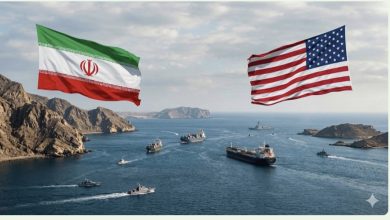
Notable Gulf Warning: Hamad bin Jassim Sounds the Alarm Over a “U.S.–Israeli Trap” in the Region
Former Qatari Foreign Minister urges Gulf states to avoid being drawn into confrontation with Iran and warns of regional exhaustion and growing Israeli influence
NYN | Reports and Analyses
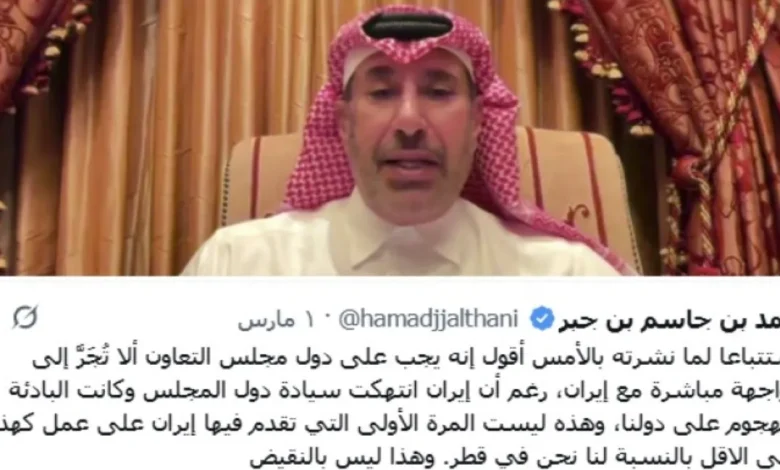
Former Qatari Foreign Minister Hamad bin Jassim bin Jaber Al Thani has warned of what he described as a “dangerous” plan aimed at dragging the Gulf region into a broad conflict that would serve external agendas. He pointed to what he said were undeclared arrangements between the United States and Israel that could alter the balance of power in the region at the expense of its states.
Warning Against Being Drawn Into Confrontation With Iran
In statements published on his official social media accounts, bin Jassim said that some powers are seeking to push Gulf states into a direct confrontation with Iran, stressing that such a conflict would only lead to the political, economic, and military exhaustion of both sides.
He explained that any large-scale war in the region would open the door for international powers to intervene under the pretext of ending the crisis, potentially granting those powers greater influence in the Middle East.
Possible Settlements After Escalation
The former Qatari minister also noted that the ongoing war against Iran could ultimately end in a political settlement. However, he stressed that its strategic consequences could be profound, warning that its outcomes might significantly strengthen Israeli influence in the region.
Call for a Unified Gulf Position
Bin Jassim called on the states of the Gulf Cooperation Council to adopt a unified stance based on transparency and full coordination among themselves. He emphasized that Gulf unity represents the main guarantee against the exploitation of internal differences and against pushing the region into conflicts that serve external actors.
Concerns Over the Use of Gulf Geography
He concluded his warnings by stressing the need to prevent the region from becoming a battleground for the wars of others. He cautioned against using Gulf geography as a launching platform for military operations and the financial resources of its states as a means to fund strategic conflicts serving international alliances.
Bin Jassim emphasized that reaching a clear and transparent agreement among Gulf states remains the most important path to preserving regional stability and preventing any attempts to redraw the region’s political map in line with the interests of external powers.