The Washington Post: Rising Gulf Frustration—Senior Official Accuses Washington of Leaving the Region Exposed to Iranian Missiles
Unprecedented questions in Gulf capitals over the value of the alliance with the United States amid escalating attacks and the depletion of air defenses
NYN | Reports and Analyses
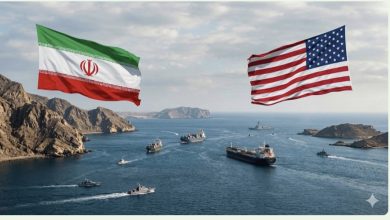
The Washington Post has reported a growing wave of discontent within official circles in Gulf countries, in light of developments in the ongoing war between the United States and Israel on one side and Iran on the other, along with accompanying missile and drone attacks that have struck several Gulf states.
The newspaper quoted a senior Gulf official as saying that Washington “started this war for Israel, then left Gulf countries to face Iranian attacks alone,” pointing to what he described as insufficient support to protect U.S. allies in the region.
Rising Concern and Tough Questions
According to the report, unprecedented questions have emerged in recent days within Gulf capitals, centered on whether the United States has effectively abandoned its security commitments amid the continuation and escalation of Iranian attacks.
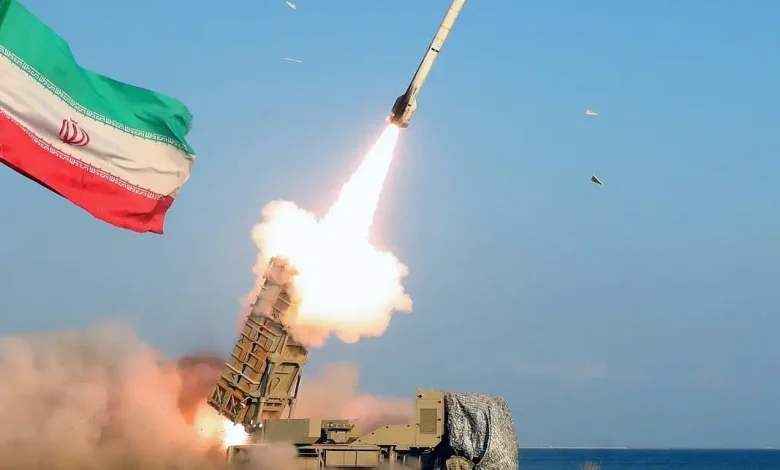
The official noted that the pace of Iranian strikes has increased significantly, adding that air raid sirens are now being heard in several Gulf cities at a frequency similar to what occurs inside Israel—reflecting the scale of the growing threat.
Depletion of Defenses and Economic Repercussions
The report confirmed that Iranian attacks have caused a significant depletion of interceptor missile stockpiles in Gulf countries, alongside mounting impacts on the economic and financial stability these states have worked for decades to build.
It also warned that the continuation of the war without a clear path to resolution, and in the absence of a declared U.S. strategy, is further complicating the situation and deepening concerns about the future of regional security.
Concerns Beyond the Military Dimension
The newspaper concluded that Gulf governments’ concerns are no longer limited to the direct consequences of military attacks, but have expanded to include the future of security and economic stability in the region—especially as the war drags on and Iranian escalation continues at an accelerating pace.