The Impact of Revolutionary Guard Operations: Rising Regional Economic Concern
NYN | Reports and Analyses
At a time when the region had been witnessing sustained efforts to ease tensions, a recent statement by Iran’s Revolutionary Guard regarding its military operations has sparked renewed concerns about regional stability. The statement reveals developments that may carry significant economic implications, particularly for vital sectors such as shipping and energy markets.
Details of the Statement and Operational Escalation
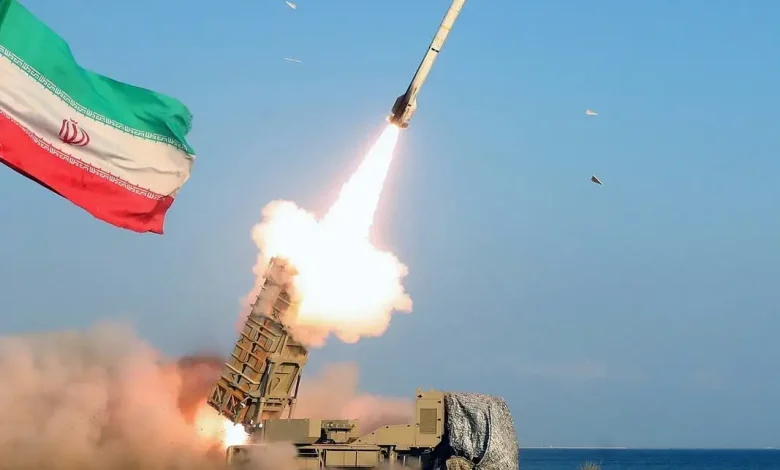
Iran’s Revolutionary Guard issued a detailed statement outlining updates on its military activities in the region. The statement focused on the execution of specific operations targeting designated interests, without providing precise details about the nature of these targets. Experts suggest that this escalation could alter the balance of power dynamics in the waters of the Gulf and the Bab al-Mandab Strait. It also raises questions about the nature of potential responses from involved parties.
This announcement comes after a period of relative calm on some fronts. Analysts indicate that the timing carries clear strategic implications. Some believe that Tehran is seeking to reaffirm its influence amid current geopolitical challenges. These operations appear as part of a broader strategy aimed at strengthening both defensive and offensive capabilities.
Potential Economic Repercussions
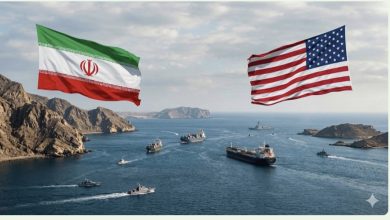
The impact of these operations has direct implications for both regional and global economies. Maritime corridors in the region represent a vital artery for global trade. Any disruption leads to increased shipping costs and higher marine insurance premiums, which in turn raises the cost of imported and exported goods for countries bordering these routes.
Global oil prices remain highly sensitive to security developments. Markets typically react with price increases when tensions escalate in major oil-producing regions. This could intensify inflationary pressures across multiple economies, potentially undermining central banks’ efforts to control inflation rates. On the other hand, foreign investment in the region may also be affected, as companies seek stable environments for long-term operations.
Attention is also turning to the impact of these operations on global supply chains. Any disruption in tanker or commercial vessel traffic could ripple outward to consumers worldwide, causing delivery delays and supply shortages. This poses a significant challenge for countries that rely heavily on imports to meet essential needs.
Regional and International Reactions
Regional and international capitals are closely and anxiously monitoring the latest developments. Some countries have issued statements calling for restraint and the avoidance of further escalation. Observers believe these calls reflect fears of a widening conflict, which could negatively impact ongoing peace efforts in existing disputes.
Meanwhile, some analysts expect these developments to deepen polarization in the region. Such conditions may prompt certain parties to reassess their alliances and security strategies. International diplomacy emerges as a crucial factor at this stage in preventing a slide toward broader confrontation. Global organizations are closely tracking the situation and working to ensure freedom of navigation and the safety of trade.
Future Outlook and Challenges
The region is entering a phase that requires careful handling of both security and economic challenges. The future of regional stability depends on the ability of key actors to contain tensions and prioritize long-term shared interests. The impact of Revolutionary Guard operations remains under close scrutiny by both economists and policymakers. Greater clarity regarding future steps is widely anticipated, as it will help determine the trajectory of the region in the months ahead.