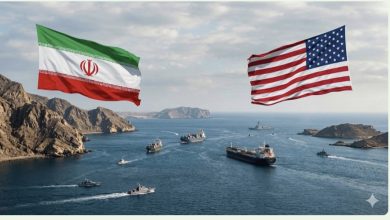
Iran’s Asymmetric Capabilities Confound Washington… Hormuz Remains Under Constant Pressure Despite Strikes
U.S. report: IRGC naval tactics strengthen Tehran’s influence and keep the threat to global shipping alive
NYN | Reports and Analyses
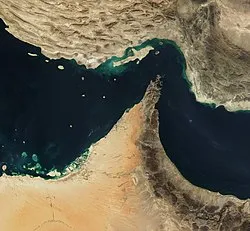
A recent report by The Wall Street Journal revealed that Iran continues to maintain effective unconventional naval capabilities in the Gulf and the Strait of Hormuz, despite the military strikes it has faced in recent weeks.
Unconventional Tactics Reinforce Influence
The report explained that Iran’s Islamic Revolutionary Guard Corps (IRGC) relies on an asymmetric warfare system that includes fast attack boats, naval mines, and coastal missile systems as the backbone of its strategy to assert control and prevent incursions into its territorial waters.
It noted that these tools remain largely unaffected in any decisive way by U.S. air and naval strikes, preserving Tehran’s ability to threaten international maritime navigation.
Strait of Hormuz… A Zone of Constant Pressure
According to the newspaper, these capabilities allow Iran to directly influence shipping traffic through the Strait of Hormuz using tactics based on maritime disruption and sustained pressure on oil tankers, rather than engaging in large-scale conventional confrontations.
The report emphasized that this strategy has proven effective in reducing the United States’ traditional naval superiority, particularly in narrow waterways where large warships face maneuvering challenges.
Maritime Geography Gives Tehran an Edge
The newspaper pointed out that the Gulf’s complex geography—including narrow passages and dense commercial shipping traffic—enhances the effectiveness of unconventional tools, making large vessels more vulnerable to rapid, coordinated attacks.
The widespread deployment of small boats also makes them difficult to detect or counter effectively, especially during simultaneous operations.
Strikes Have Not Decided the Battle
In conclusion, the report stressed that the degradation of some of Iran’s conventional naval capabilities does not mean it has lost its strategic influence in the Strait of Hormuz. It affirmed that Tehran still possesses pressure tools capable of disrupting global trade in any potential escalation.
Military analysts believe that relying solely on airstrikes to eliminate Iran’s naval power has proven limited in effectiveness, given the flexibility of these forces and their ability to disperse and conceal themselves, whether in underground bases or among the many islands scattered across the region.