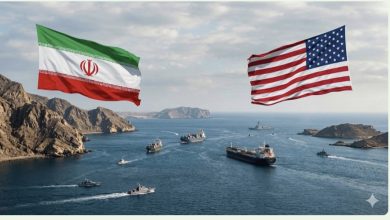
Iran Signals Possible Closure of Supply Routes: Counter-Plan Threatens U.S. Navigation in Hormuz
Warnings of targeting regional ports and disrupting supply chains amid rapidly escalating military tensions in the Gulf and the Arabian Sea
NYN | Reports and Analyses
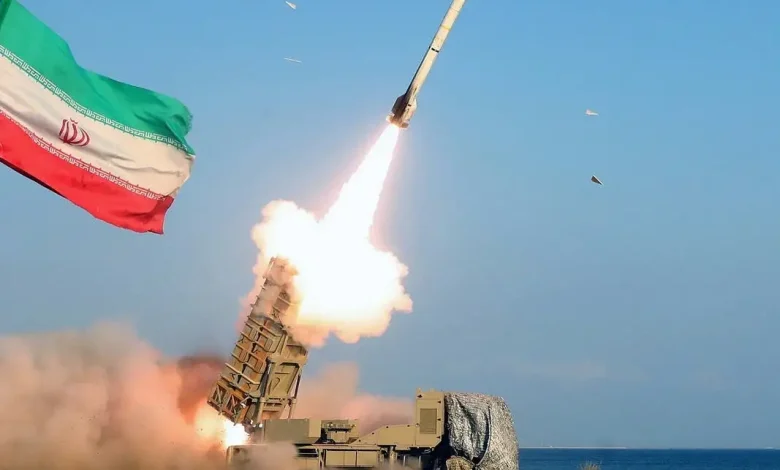
Iran has revealed outlines of a counter-plan to respond to any potential U.S. move aimed at imposing a blockade on the Strait of Hormuz, in a step that reflects a dangerous escalation with possible repercussions for global energy security and trade.
Iran’s Tasnim News Agency quoted a spokesperson for the Khatam al-Anbiya Headquarters as saying that the security of ports in the Gulf and the Arabian Sea “will either be available to everyone or to no one,” a message carrying an implicit threat that regional ports could be targeted if Washington proceeds with its plans.
Direct Threat to Supply Chains
The Iranian official explained that the plan could include preventing the passage of what he described as “enemy vessels,” which would effectively disrupt maritime supply chains—especially given the United States’ reliance on regional ports to secure logistical support for its military operations.
These statements suggest an Iranian shift toward expanding the scope of confrontation from merely controlling sea lanes to targeting the logistical infrastructure connected to them, potentially intensifying regional tensions.
Rapid U.S. Military Deployment
In response, reports indicate that U.S. forces have begun a broad deployment in the Arabian Sea and the Gulf of Oman as part of efforts to prevent ships from transiting to and from the Strait of Hormuz, in what has been described as a prelude to stricter measures on maritime movement.
Serious Implications for Energy and Trade
These developments come at a sensitive time, as the Strait of Hormuz is one of the world’s most critical oil transit chokepoints, making any military escalation there a direct threat to the stability of energy markets and global trade flows.
Observers warn that a slide toward open confrontation could disrupt oil supplies and drive up shipping and insurance costs, with negative consequences for the global economy as a whole.