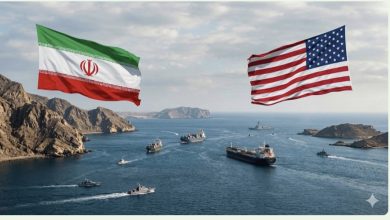
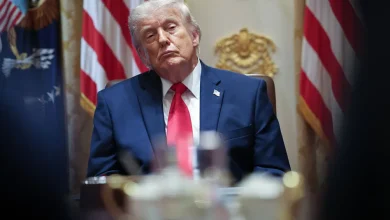
American Newspaper: Washington Selling the Gulf Missiles Depleted by War While Facing a Severe Stockpile Crisis Billion-Dollar Interceptor Deals Amid Doubts Over the Effectiveness of American Defense Systems
U.S. Reports Reveal Trump Administration’s Move to Recycle Missile Stockpiles and Sell Them to the UAE, Bahrain, and Kuwait Despite Pentagon Admissions of Declining Defensive Capabilities

NYN | Reports and Analyses
American media reports have revealed that the administration of U.S. President Donald Trump is moving toward concluding massive arms deals with several Gulf countries, including the sale of thousands of interceptor missiles and air defense systems, in a step that has raised widespread questions regarding the effectiveness of these systems and Washington’s ability to replenish its eroding military stockpiles.
According to The New York Times, the anticipated deals will include the United Arab Emirates, Bahrain, and Kuwait, with a total value ranging between $17 billion and $25 billion, at a time when Pentagon officials acknowledge a decline in interceptor missile inventories due to heavy depletion during recent confrontations in the region.
The reports indicate that the United States is seeking to dispose of missile stockpiles that are increasingly facing challenges related to effectiveness and readiness by recycling and marketing them to its Gulf allies, which had participated in supporting American and Israeli military operations against Iran during the recent period.
American Admission of a Defense Stockpile Crisis
The announcement of these deals comes amid growing warnings within U.S. military circles about the declining ability to replace depleted interceptor missiles. American officials confirmed that rebuilding the strategic stockpile could take years.
The reports also noted that Washington has already halted the supply of some interceptor systems to Ukraine, in addition to withdrawing parts of its military stockpile from strategic regions in the Indo-Pacific and East Asia in an effort to address the growing shortages in its defense capabilities.
Questions Raised About the Objectives of the Deals
These developments have sparked a wave of questions regarding the timing of the new arms agreements, especially in light of the U.S. administration’s acknowledgment of its defense stockpile crisis. This has led observers to compare the deals to controversial arms agreements previously witnessed in the region, including the famous “Al-Yamamah Deal.”
Observers believe that through these agreements, Washington is attempting to preserve its military and political influence in the Gulf while simultaneously reducing the burdens associated with storing and maintaining defense systems that have been heavily depleted in recent years.