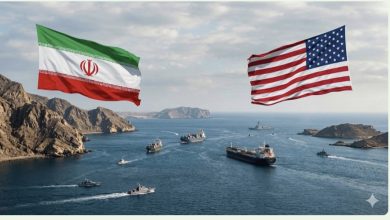
Iran Announces Reopening of the Strait of Hormuz to Commercial Shipping… A Move That Puts Washington in a Tight International Spot
Tehran links the decision to the ceasefire and confirms regulated transit through pre-coordinated routes April 18, 2026
NYN | Reports and Analyses
On Friday evening, Iran revealed the reasons behind its urgent decision to reopen the navigation route for all commercial vessels through the Strait of Hormuz, during the remaining period of the ongoing ceasefire in the region.
Iranian Foreign Minister Abbas Araghchi stated in remarks posted on the platform “X” that the decision comes “in line with the ceasefire in Lebanon,” confirming that his country has decided to allow the full passage of all commercial ships through the strait during this phase.
Regulated Transit Under Iranian Conditions
Araghchi clarified that reopening the strait does not mean a lack of regulation, noting that ship movement will be subject to specific coordination procedures. Vessels will be required to adhere to a declared route pre-arranged by Iran’s Ports and Maritime Organization.
According to observers, this condition reflects Tehran’s effort to maintain on-the-ground control over one of the world’s most critical maritime passages while avoiding any friction that could threaten the continuation of the de-escalation.
Political Messages Beyond Navigation
Analysts believe the Iranian decision goes beyond maritime considerations and carries direct political messages. It comes at a time of increasing international criticism of U.S. actions in the region, particularly regarding the interception or restriction of certain oil tankers.
Estimates suggest that Tehran’s announcement of reopening the strait to commercial shipping places the United States in a complex position before the international community—especially European countries that rely heavily on energy flows through this vital corridor.
Hormuz at the Heart of Global Tensions
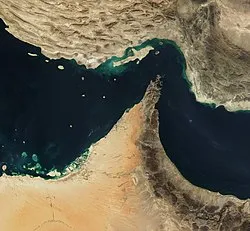
The Strait of Hormuz is considered one of the most important arteries of global trade, with a significant share of oil and gas supplies passing through it. This makes any decision concerning it directly impactful on global markets and energy security.
With this development, attention now turns to the extent of the parties’ commitment to de-escalation arrangements, and whether reopening the strait will pave the way for a more stable phase—or further intensify international competition over this strategic passage.