Islamic Revolutionary Guard Corps Naval Strikes: Regional Escalation and Serious Economic Repercussions
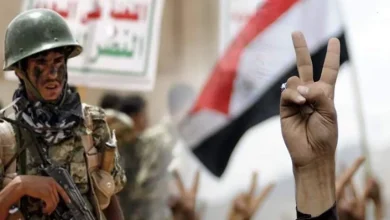
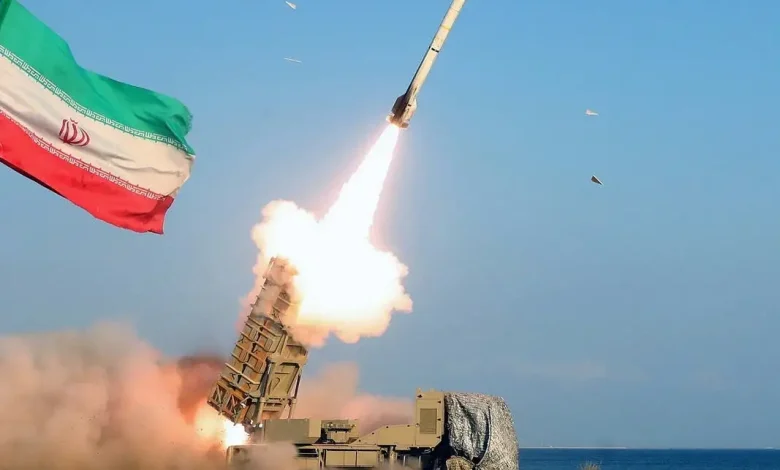
In an unprecedented escalation that shook the region at dawn today, the naval forces of Iran’s Islamic Revolutionary Guard Corps (IRGC) launched a violent attack against targets it described as “American-Zionist terrorist” objectives. These strikes are part of the “88th wave” of operations under the campaign titled “True Promise,” using the slogan “O Fatimah al-Zahra (peace be upon her).” A statement issued by the IRGC’s public relations office confirmed that “lethal strikes” were carried out, raising questions about the nature of the targets and the broader implications of this military action.
NYN | Reports and Analyses
Details of the Military Operation
Fighters from the IRGC’s naval forces carried out this operation at dawn. The official statement did not specify the exact geographic locations of the targeted sites, but emphasized that they were “American-Zionist terrorist targets.” This attack represents another step in escalating regional tensions. The use of the slogan reflects the ideological dimension of these operations and highlights the motivations behind such military actions.
The IRGC described the attack as “violent” and the strikes as “lethal,” indicating the intensity of the confrontation. Its naval forces are often at the forefront of operations targeting what Iran considers hostile interests. Operations under the name “True Promise” are typically responses to previous events or escalations. Observers are closely watching for further details that may clarify the scope of the attack.
Context of Regional Tensions
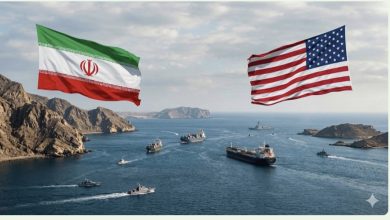
These strikes come amid a highly tense regional environment, marked by multiple overlapping conflicts ranging from proxy wars to direct confrontations. Analysts believe such operations could further destabilize the region. They also directly affect maritime navigation in critical waterways such as the Strait of Hormuz and Bab al-Mandab, which are vital for global trade, especially energy supplies. Any disruption in these routes can significantly impact global markets.
This escalation also increases pressure on diplomatic efforts aimed at de-escalation. International powers are closely monitoring the situation with concern. These developments may push involved parties to reassess their security and military strategies. Regional relations could also be affected, requiring caution to avoid a wider conflict.
Potential Economic Implications
The consequences of these strikes may extend beyond the military sphere into the global economy. The Middle East is a key source of oil and gas, and any escalation in the region immediately influences energy prices. Oil markets are expected to experience sharp volatility following the attack, which in turn affects global shipping and transportation costs. Companies relying on supply chains passing through the region may face significant disruptions.
In addition, increased instability could weaken foreign investor confidence, potentially leading to capital outflows or delays in investment. Tourism, an important sector in some regional economies, may also suffer. Governments might be forced to increase military spending at the expense of development projects. Together, these factors place substantial pressure on both local and regional economies.
The region remains highly tense following these strikes. Attention is now focused on international and regional responses. Further military or diplomatic developments are likely in the coming days. The key question is whether this escalation will expand into a broader conflict or remain part of ongoing strategic tensions. Global markets require stability to avoid further economic shocks, but the situation remains volatile and uncertain.