Washington Surprised by Scale of Iranian Response: Rising European Concerns
Tensions in the Middle East are escalating at an unprecedented level, as a senior U.S. official revealed that Washington did not anticipate the scale of Iran’s response to recent attacks. This striking admission highlights serious challenges to regional stability, while European capitals are sounding the alarm over potentially severe economic repercussions.
NYN | Reports and Analyses
American Shock and the Unexpected Scale of Iran’s Response
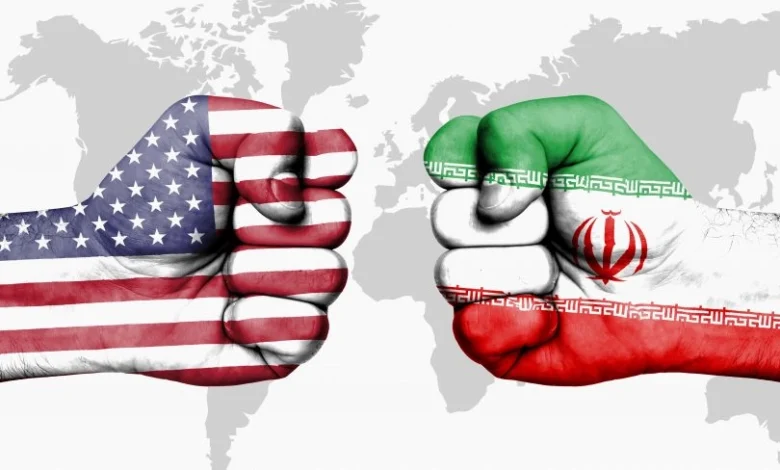
A senior official at the U.S. Department of State confirmed, in an exclusive statement to ABC, that Washington’s initial assessments did not foresee such a broad scope of Iranian retaliation. This response followed a series of attacks carried out by the United States and Israel in the region, targeting sites believed to be linked to factions aligned with Tehran. The prevailing assumption had been that the response would be limited and calculated.
These statements indicate a gap in U.S. intelligence assessments regarding Iran’s capacity and willingness to escalate. Meanwhile, political analysts believe the response reflects a clear Iranian message about its ability to maintain influence, as well as its readiness to respond to any direct or indirect provocations.
Washington considers that the scale of the response has crossed red lines it had previously set privately. This situation places the U.S. administration before difficult choices regarding how to handle this new level of escalation in the region.
Growing European Concern and Global Economic Implications
On the other hand, several European countries have expressed deep concern over the consequences of this escalation. European officials warned that the region could be heading toward a broader cycle of violence, posing a direct threat to international peace and security.
In addition, the economic repercussions represent Europe’s greatest concern. Economic reports suggest that global oil prices could experience significant spikes. This increase would affect energy costs for both consumers and industries in Europe, while also contributing to rising inflation rates.
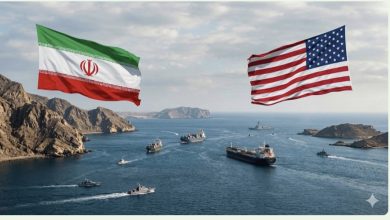
Global supply chains are also directly impacted. Vital maritime routes, such as the Red Sea and the Strait of Hormuz, have become zones of tension. Any disruption to shipping in these areas would drive up transportation costs and lead to shortages of essential goods worldwide.
European countries are also worried about the impact of escalation on investments in the region and expect it to affect bilateral trade with Middle Eastern countries. These consequences could extend to global stock markets.
Escalation Scenarios and Challenges for Regional Diplomacy
Attention is now turning to the possible next steps by all concerned parties. Experts believe the region stands at a critical crossroads, where any miscalculation could trigger uncontrolled escalation beyond international control.
Intensive diplomatic efforts are underway behind the scenes to contain the situation and prevent further escalation. However, options remain limited given the rigid positions of many parties. This crisis requires an urgent political solution.
The Middle East faces growing security and economic challenges. Any further escalation will increase the suffering of populations and hinder long-term development and stability efforts. Major powers must assume their responsibilities in maintaining security.
International calls for restraint and avoiding further military confrontation are increasing. All parties must act responsibly to de-escalate tensions. Achieving security and stability requires constructive dialogue. Much depends on diplomacy’s ability to find solutions to this complex crisis, as the future holds many uncertainties and significant challenges.