Rising Cost of Wars: Trump Administration Injects Unprecedented Billions Into Drone Arms Race
Record defense budget reaches $1.5 trillion, with urgent focus on drone production and counter-drone systems
NYN | Reports and Analyses
The Associated Press has revealed major shifts in U.S. military spending priorities amid the consequences of the war ignited by President Donald Trump in the region, which has directly impacted the federal budget—particularly its defense component.
According to the report, the Trump administration is moving toward an “emergency” approach to strengthen military capabilities, with an unprecedented focus on producing drones and developing advanced systems to counter them, in light of what sources describe as a transformation in the nature of modern warfare.
Drones Redefining the Rules of Engagement
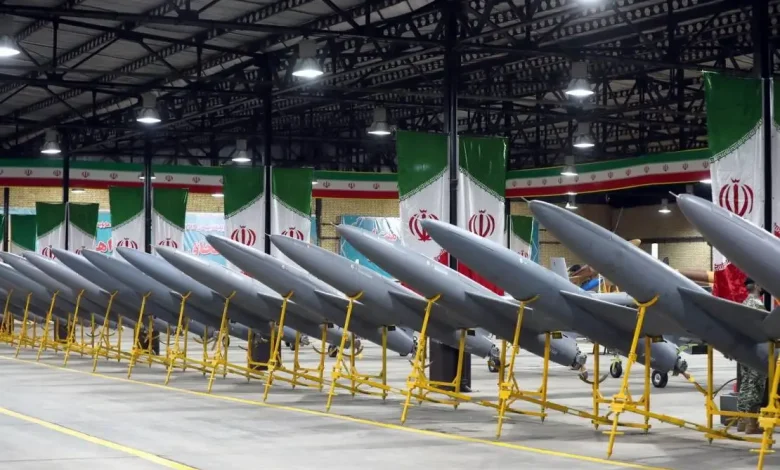
The agency noted that drones—particularly those used by Iran—have played a central role in reshaping the battlefield, managing to strike sensitive targets inside the Israeli entity, as well as affecting U.S. military bases in the Gulf and other regional states.
This shift has pushed the U.S. Department of Defense (Pentagon) to repeatedly revise its military strategies, introducing continuous adjustments to the defense budget proposal.
Record Defense Budget Figures
According to the latest proposals, the U.S. defense budget has reached approximately $1.5 trillion, its highest level in decades, reflecting the scale of growing military challenges facing Washington.
The budget includes around $54 billion allocated for drone production and related technologies, in addition to $21 billion for the development of systems designed to shoot down such drones.
Mounting Pressure on Military Stockpiles
In the same context, the Associated Press quoted U.S. military officials as saying that the Pentagon is facing increasing pressure to replenish a severe shortage of ammunition, particularly interceptor missiles, which were heavily depleted during the recent 40-day war.
Officials stressed the need to accelerate military production, especially in low-cost systems such as drones, an area in which U.S. defense industries have not yet made sufficient progress.
Concerning Domestic Implications
Observers believe this massive increase in military spending could come at the expense of key domestic sectors in the United States, such as healthcare, education, and social services, as resources are increasingly redirected toward the Department of Defense.
Strategic Shift in Modern Warfare
For his part, Acting U.S. Deputy Secretary of Defense and Comptroller Joel Hirst stated that “drone warfare is rapidly reshaping the battlefield,” adding that the new budget represents “the largest investment in the history of the U.S. military in drones and counter-drone systems.”