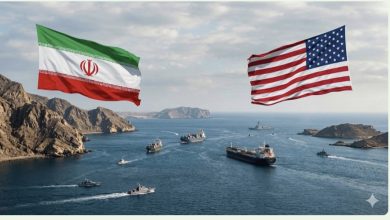
Eastern Newspapers: Non-Saudi Vessels Continue Crossing Bab al-Mandab Despite Naval Escalation
Iranian report monitors the impact of Yemeni escalation on Saudi navigation, highlighting the ongoing movement of non-Riyadh-linked ships through Bab al-Mandab
NYN | Reports and Analyses
The Iranian newspaper Tehran News monitored military and naval developments in the region, highlighting operations conducted by the Yemeni Armed Forces against Saudi targets and what the paper describes as a direct impact of these operations on oil facilities and Saudi-linked shipping lines.
The newspaper noted that recent developments fall within the framework of establishing what it described as a “blockade for blockade” equation, amid ongoing military tensions and escalating mutual measures between Sanaa and Riyadh.
Targeting an Oil Facility in Jizan
According to the report, the Yemeni Armed Forces launched a drone attack targeting an Aramco oil refinery in the Jizan region. The newspaper stated that the operation came in response to what it described as violations of Yemeni airspace in the Saada and Hajjah governorates.
Tehran News linked this operation to the continuous military escalation, considering Saudi oil facilities to be directly swept into the ongoing confrontation.
Attacks on Saudi Military Gatherings and Facilities
The report also detailed a series of operations that targeted—according to the narrative cited by the newspaper—military gatherings, weapons depots, and camps belonging to Saudi forces in several areas, including Al-Mocha, Al-Rawayk, and Al-Abr.
It reported the use of ballistic missiles and drones in these operations, alleging human and material losses at the targeted sites, though without providing independent details to verify the extent of those losses.
Direct Impact on Saudi Oil Tanker Traffic
On the maritime front, the newspaper stated that what it terms a “maritime embargo” on Saudi shipping has entered its third week. According to its sources, Yemeni operations have forced more than 16 oil tankers to alter their routes and steer clear of the operational zones.
Tehran News views the continuation of these developments as exerting additional pressure on the Saudi energy and maritime transport sectors, particularly with rising insurance and freight costs linked to security risks in the region.
Non-Saudi Ships Continue Crossing Bab al-Mandab
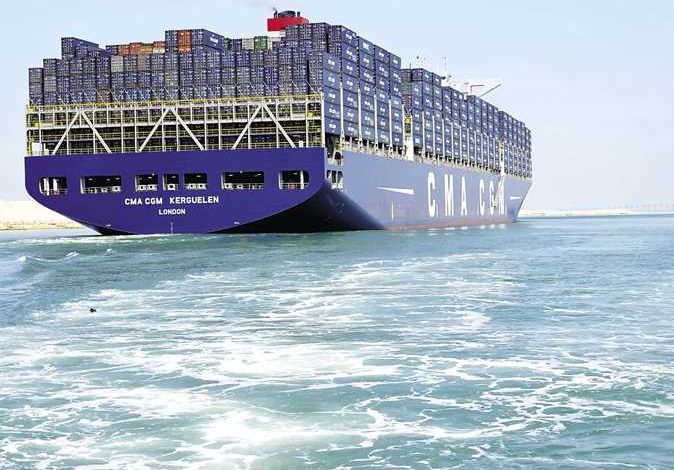
Conversely, the report emphasized the ongoing passage of non-Saudi vessels through the Bab al-Mandab Strait, describing their movement as proceeding normally. The newspaper uses this to counter claims that international trade through the strait is under comprehensive threat.
According to the report, the primary impact of Yemeni naval operations remains concentrated on vessels associated with Saudi Arabia, while other ships continue to navigate the international waterway.
Mounting Economic Costs
The newspaper cited maritime and economic sources stating that recent developments have led to increased shipping and insurance costs, alongside some tankers opting for longer sea routes—including circumnavigating the Cape of Good Hope—to avoid tension zones.
According to the report, these developments indicate that the fallout from the escalation is not confined to the military sphere, but extends to the energy sector, supply chains, and maritime transport costs.
As Red Sea tensions persist, the future of Saudi oil tanker traffic and the full extent of reciprocal measures on regional and international navigation remain tied to the trajectory of military and political escalation in the coming period.