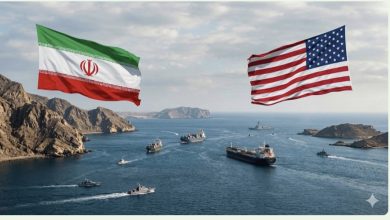
Haaretz: Yemen Dictates the Pace of Confrontation and Subjects the Saudi Maritime Coalition to a Stern Test
The Hebrew newspaper reports on a synchronized escalation against Saudi military mobilizations and oil interests, warning of coordination hurdles within the maritime coalition and the risks of a expanding conflict.
NYN | Reports and Analyses
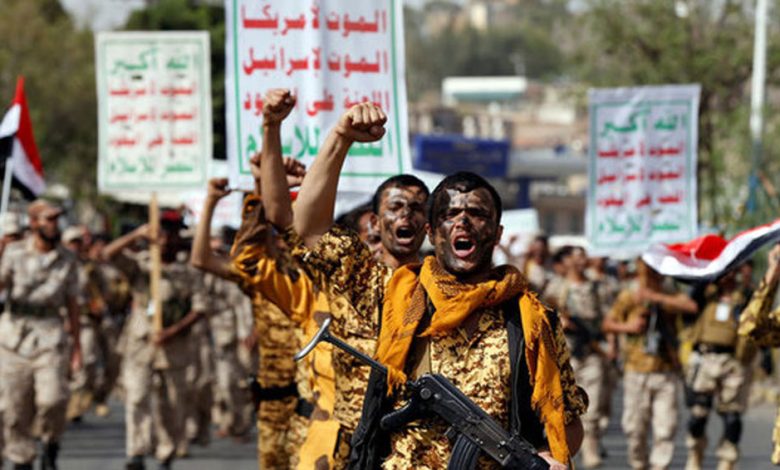
The Hebrew newspaper Haaretz stated that the Yemenis are engaged in a multi-track confrontation against Saudi Arabia, involving the targeting of military sites and mobilizations alongside operations against vessels linked to Saudi oil in the Red Sea. The outlet noted that Sana’a is operating according to self-defined priorities that serve its declared goal of lifting the siege on Yemen.
The paper pointed out that the escalation since early August has assumed a synchronized character, focusing on military positions and troop concentrations connected to Saudi Arabia in parallel with targeting Saudi oil tankers in the Red Sea, within the context of the naval blockade announced by Sana’a on July 20.
A Multi-Front Confrontation
According to Haaretz, the nature of these operations reflects a confrontation extending far beyond the maritime dimension into a broader scope. In the paper’s assessment, Sana’a retains the initiative to set the course and priorities of the conflict rather than merely reacting to Saudi moves.
The newspaper considers that this reality confronts Saudi Arabia with escalating challenges, particularly as it attempts to safeguard shipping lanes and oil interests without slipping into a wider military confrontation that would prove difficult to contain.
Hurdles Facing the Saudi Maritime Coalition
Regarding the maritime coalition Saudi Arabia seeks to rely upon to protect navigation, Haaretz highlighted operational difficulties related to organization and coordination among participating parties, as well as divergent stances on direct military involvement.
The paper explained that Egypt, despite being listed among the countries tied to the coalition, faces constitutional and political considerations regarding participation in military operations inside the Red Sea, amid concerns over the repercussions of any direct clash with Yemen.
Egyptian Concerns Over a Widening Conflict
Haaretz noted that Cairo is factoring in the possibility of collateral damage to its own interests should operations expand, especially if the fallout impacts shipping traffic in the Red Sea or the Suez Canal.
It also pointed out that the United Arab Emirates and the Sultanate of Oman are not participating in the maritime coalition in its new framework, further complicating efforts to assemble a cohesive regional force capable of handling various scenarios.
Unequal Capabilities and Foreign Coordination
The newspaper addressed the disparity in military capabilities among Red Sea littoral states, noting that several African nations—including Somalia, Djibouti, and Sudan—do not necessarily possess the resources required for complex naval operations.
It added that any move by the coalition would also necessitate coordination with U.S. and European forces stationed in the region, against a backdrop of differing mission profiles and rules of engagement among the various deployed forces.
Haaretz: The Greatest Risk Is a Broader War
The newspaper concluded that the primary challenge facing Saudi Arabia is preventing any maritime incident or field escalation from sparking a broader war in Yemen.
According to Haaretz, the maritime coalition finds itself trapped in a complex equation: attempting to protect shipping and Saudi interests while avoiding steps that could precipitate an open confrontation that is difficult to contain, all while Sana’a continues to dictate its priorities and operational path in line with its declared objectives.