Tehran Reveals U.S. Message Delivered via Islamabad: Washington Seeks Negotiated Exit After Pressure Fails
Iranian Official: Pakistan Army Chief Conveyed Call to Return to Political Track... Tehran Adheres to Its Stance as Strait of Hormuz Remains Key Leverage Point
NYN | Reports and Analyses
Tehran has revealed the contents of the messages carried by Pakistan’s Chief of Army Staff, General Asim Munir, during his visit to Iran, confirming that the move included American signals to return to the political track and revive negotiations between Washington and Tehran.
Abbas Golrou, Chairman of the Foreign Relations Committee in the Iranian Parliament, stated that the Pakistani Army Chief delivered a U.S. message urging Iran to return to the political track and abide by what had been agreed upon under the “Islamabad Memorandum of Understanding.”
A U.S. Message to Return to Negotiations
According to Golrou, the substance of the message reflects an American desire to resume the negotiation process at a time when Washington’s policy of pressure faces growing military and political challenges.
Speaking to the Iranian Student News Agency (ISNA), the Iranian official explained that recent developments, including Pakistani mediation, indicate efforts to find a political exit from the crisis and return to the negotiating table.
Pakistani Mediation at the Forefront
The Pakistani initiative follows regional contacts and mediation efforts aimed at keeping channels of dialogue open between Tehran and Washington, amid ongoing tension surrounding political, economic, and security files.
Tehran views the delivery of messages via Islamabad as reflecting a shift in focus from a policy of escalation and pressure toward the pursuit of a negotiation track. Meanwhile, according to the Iranian reading, Washington is attempting to maintain room for political maneuver without appearing to back down in front of its allies and rivals.
Iran Maintains Its Stance
In contrast, Iranian statements emphasize that Tehran does not view mediation as a retreat from its positions, but rather as an opportunity to relaunch negotiations on the basis of prior commitments and agreements.
The Iranian interpretation suggests that the failure of economic and military pressures to compel Tehran into major concessions has made the political option increasingly prominent in U.S. calculations.
Hormuz: The Primary Leverage Point
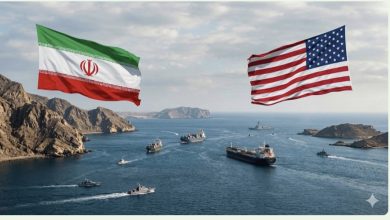
The Strait of Hormuz remains one of the premier cards of strength in the standoff, given its strategic importance to global energy trade and the far-reaching fallout that any navigation disruption would have on oil markets and international shipping.
According to the Iranian perspective, the strait’s critical importance grants Tehran significant leeway to influence the calculations of Washington as well as regional and global powers, tying any negotiation track directly to regional security, energy, and maritime dynamics.