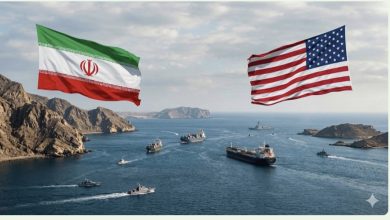
Korean Newspaper: Naval Blockade Disrupts Saudi Supply Chains and Cancels Cargo Voyages
Korean and global shipping companies warn of the risks of sailing to Saudi Red Sea ports. Rising insurance costs and rerouting around Africa increase expenses and delay cargo deliveries.
NYN | Reports and Analyses
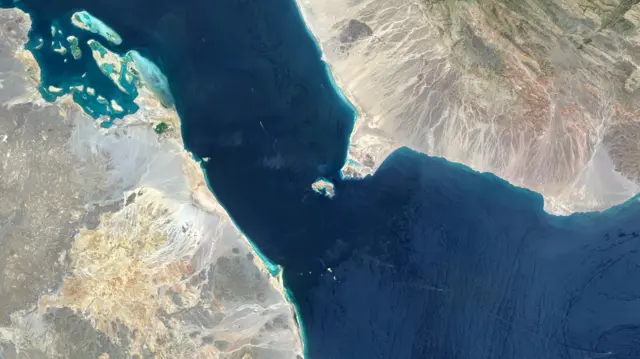
South Korea’s Seoul Economic Daily revealed escalating logistical pressures facing Saudi ports on the Red Sea, as the fallout from navigation restrictions in the Bab al-Mandab Strait and the Red Sea spreads to trade traffic to and from the Kingdom.
Difficulty Securing Cargoes to Saudi Ports
The newspaper reported that international and Korean shipping lines informed several manufacturers of the difficulty of securing safe maritime routes to Saudi ports—including Jeddah Islamic Port—amid growing navigation risks in the region.
Quoting the head of the Korea Plastics Industry Cooperatives, the report noted that several factories had completed production lines dedicated to the Saudi market, but are struggling to deliver their goods due to vessels’ reluctance to sail through maritime routes leading to the Kingdom.
Shipping to Saudi Arabia “Nearly Impossible”
According to Korean logistics executives cited by the paper, dispatching vessels to Saudi ports or receiving shipments from them has become nearly impossible without incurring exceptionally high operational and insurance costs.
Data indicates that the fallout is no longer limited to maritime transport companies; it has begun reaching factories, exporters, and importers due to disrupted sailing schedules and skyrocketing freight rates.
Insurance and Cape Rerouting Drive Up Costs
According to data from South Korea’s Ministry of SMEs and Startups, recent developments have led to a sharp increase in war risk premiums and marine insurance for vessels that include Saudi ports on their itineraries.
Mounting risks have also prompted several major shipping carriers to cancel specific voyages or avoid the Red Sea altogether, opting instead for the alternative route around the Cape of Good Hope in South Africa.
This detour adds weeks to transit times, along with increased fuel consumption, operating expenses, and insurance costs—pushing freight charges to levels that may render shipping certain goods economically unviable.
Growing Pressures on Saudi Supply Chains
These developments reflect the expanding reach of navigation disruptions in the Red Sea and Bab al-Mandab, moving beyond the shipping sector to directly impact production, export, and supply chains linked to the Saudi market.
The report suggests that the persistence of these conditions leaves Saudi Red Sea ports facing mounting logistical challenges, forcing companies into costlier and longer alternatives to deliver goods, thereby heaping new pressures on Saudi trade and the broader economy.