Russian Analysis: Nine Factors Driving Washington Toward Ending Its War Against Iran
Electoral, military, and economic pressures, alongside internal fractures, threaten Trump's ability to sustain escalation in the region.

NYN | Reports and Analyses
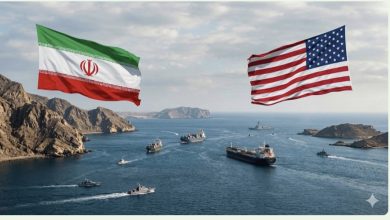
A Russian analysis has outlined a series of factors placing the U.S. administration under growing pressure to end its war against Iran, warning that continued escalation around the Strait of Hormuz could trigger a broader confrontation while exposing the limits of American capacity to sustain a long, costly regional conflict.
In an article published by New Eastern Outlook, independent Russian researcher and writer Alina M. argues that Washington has entered a military confrontation that exceeds its operational and strategic endurance. She notes that ongoing escalation around the Strait of Hormuz presents the United States with mounting military and political challenges.
Declining Support Within Trump’s Base
According to the analysis, eroding confidence among a segment of Trump’s electoral base—particularly MAGA movement supporters—stands at the forefront of factors pressing the White House, driven by a rejection among sections of the Republican base of engaging in new, prolonged wars in West Asia.
The analysis links this to the congressional midterm elections scheduled for November 3, and the potential political pressure their outcomes could exert on the administration if the war continues and its human and economic costs mount.
The Islamabad Memorandum and Allied Pressure
The article notes that the signing of the “Islamabad Memorandum of Understanding” introduced an additional element into the domestic political landscape, coinciding with pressure from Israeli leadership toward sustaining military operations.
Furthermore, the analysis suggests Washington faces a flaw in its intelligence assessments regarding Iran’s resilience, after the Iranian response demonstrated an ability to maintain operations and adapt to U.S. defense and interception systems.
Challenges to U.S. Defense Inventories
The potential depletion of U.S. missile and air defense inventories ranks among the key factors that could restrict Washington’s options, particularly as the scope of confrontation expands across multiple potential fronts.
The analysis also points to divisions within U.S. military decision-making circles over the required level of escalation, highlighting the difficulty of reconciling the administration’s political calculations with operational realities on the ground.
Crises Within the Military Establishment
The article highlights what it describes as tension within the U.S. military establishment, citing disagreements over operational management and force deployment in the region.
It touches upon the status of the aircraft carrier USS Abraham Lincoln, which the analysis says spent an extended period at sea under strain related to resupply and fatigue, citing reported suicide cases among crew members as an indicator of the human toll of prolonged deployment.
New Regional Alliances Raise Concern
The analysis adds that Washington faces the fallout of shifting stances among key regional partners, including the sudden signing of a trilateral agreement between Pakistan, Turkey, and Saudi Arabia, alongside the refusal of Gulf states to engage directly in the war.
The author contends these developments narrow U.S. room for maneuver, especially if pressure increases on regional states to enter a confrontation whose security and economic fallout they appear unprepared to bear.
Financial Strain on U.S. Defense Projects
Financial pressures also feature among the factors impacting Washington’s ability to maintain escalation, noting the freezing of the “Golden Dome” defense project and linking it to rising military commitment costs competing with other fiscal priorities.
Consequently, the article concludes that the pressures facing the U.S. administration extend beyond the battlefield to encompass domestic politics, the economy, regional alliances, and the ability to sustain public and political support for the war.
Tehran: Hormuz is Iranian and Omani
In contrast, the analysis quotes Iranian Deputy Foreign Minister Kazem Gharibabadi reiterating that the Strait of Hormuz operates under relevant legal frameworks and international agreements between Iran and Oman, and that attempts to impose a new reality on the strait cannot be settled through political declarations or campaign rhetoric.
The Russian analysis concludes that the struggle over Hormuz extends beyond navigation alone, serving as a test of regional power balances, with continued confrontation leaving Washington facing a tough trade-off between the costs of escalation and the risks of retreat.