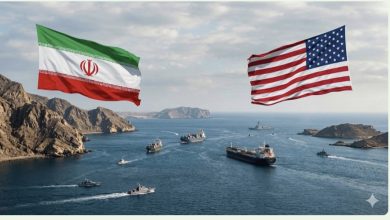
Bloomberg: Saudi Arabia Moves Diplomatically via Oman to Avoid Escalation with Yemen Amid US Pressure
An American report reveals unannounced talks between Riyadh and Sana'a through Omani mediators, accompanied by warnings that a military response could worsen the energy crisis and threaten Red Sea navigation.
NYN | Reports and Analyses
American news agency Bloomberg revealed that the Kingdom of Saudi Arabia has intensified its diplomatic moves through Omani mediators to contain tensions with Yemen. The efforts aim to avoid a broader military confrontation and protect its oil facilities and vital infrastructure, amid US pressure calling for restraint over fears of how any escalation could impact global energy markets.
The agency quoted regional and Western diplomats stating that Riyadh is conducting unannounced talks with the Yemeni side via the Sultanate of Oman. This comes alongside the preparation of contingency military options in the event the political track falters; however, the current priority remains finding a diplomatic way out of the crisis.
Washington Warns of Escalation Consequences
According to the report, US officials urged the Saudi leadership during private contacts to avoid executing a broad military response. They warned that any new confrontation could lead to greater disruptions in international navigation and oil markets, with impacts potentially extending to the Bab al-Mandab Strait, affecting global trade and energy supplies.
Saudi Concerns Over Repeating War Experience
Bloomberg noted that Saudi Crown Prince Mohammed bin Salman is proceeding cautiously regarding the prospects of engaging in a new war, given the repercussions of the previous conflict with Yemen, which lasted for years without achieving its stated goals.
The report added that Saudi Arabia carried out limited airstrikes on targets inside Yemen over two days in late July, but abstained from continuing operations, preferring to give diplomatic efforts an opportunity to reach understandings that curb escalation.
Yemeni Demands Tied to Ending Escalation
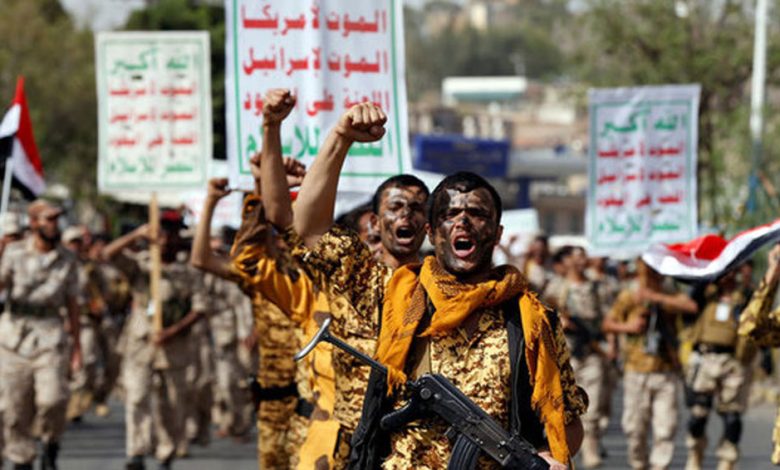
The agency clarified that the Yemeni side links any comprehensive de-escalation to a set of demands, most notably lifting economic restrictions, paying civil service employee salaries, and facilitating the entry of goods and travelers to areas under the control of the Sana’a government.
The report also pointed out that Saudi Arabia seeks to protect its Red Sea ports, which have gained increasing importance for oil exports amid recent shifts in regional maritime traffic.
Economic Challenges and Mounting Pressure
Bloomberg linked the Saudi moves to economic pressures facing the Kingdom, noting that the Saudi economy contracted by 4.8% year-on-year during the second quarter—the largest decline since the COVID-19 pandemic, according to the agency—attributing this to the fallout from the war with Iran and declining oil exports.
The report added that recent developments in the Red Sea, including Yemen’s announcement of measures against Saudi ports and the targeting of oil facilities, have heightened fears of a broadening crisis at a time when Tehran maintains that the matter should be resolved through dialogue between Riyadh and Sana’a.
Domestic Support for Sana’a’s Actions
In conclusion, Bloomberg noted that the military and political moves adopted by the Sana’a government are framed domestically as a response to ongoing restrictions imposed on Yemen. Researcher Nadwa Al-Dawsari observes that this dynamic contributes to bolstering public support for these actions from a Yemeni nationalist perspective.