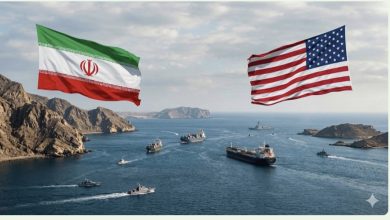
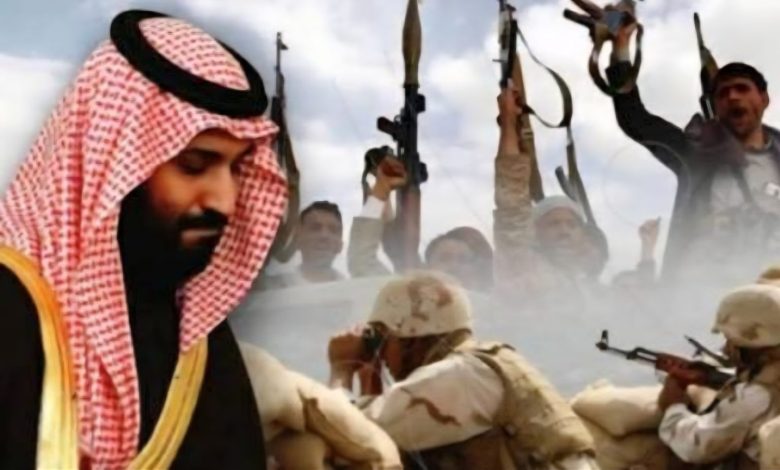
Foreign Policy: Saudi Arabia Reaps the Consequences of Its Strategic Mistakes as Sana’a’s Actions Threaten Vision 2030 Ambitions
A US analysis reveals that the bombing of Sana’a Airport was an unjustified decision, emphasizing that Riyadh faces the escalation alone amid a absence of Arab support and mounting security and economic pressures.
NYN | Reports and Analyses
In an analysis examining the escalating tension between Saudi Arabia and Yemen, the American magazine Foreign Policy indicates that Riyadh is facing the cumulative consequences of its strategic choices, noting that several of its military and political decisions have contributed to complicating the regional security landscape.
The analysis explained that the airstrike targeting the runway of Sana’a International Airport on July 13 was, according to the magazine’s assessment, an unnecessary step reflecting miscalculation. It noted that this move opened the door to a broader escalation whose costs far outweighed any potential gains.
US Analysis Criticizes Decision to Target Sana’a Airport
The magazine stated that the motives behind Saudi Arabia’s decision to target Sana’a Airport remain questionable. It noted that even if there were legal justifications linked to UN Security Council resolutions, destroying the runway was not the most logical choice, and the situation could have been handled through less escalatory means.
It added that while the war between Saudi Arabia and Yemen had entered a phase of relative calm, the targeting of the airport brought tensions back to the fore, creating new security and economic challenges for Riyadh.
Yemeni Response Expands Pressure on Riyadh
According to the analysis, the Sana’a government forces responded to the escalation by targeting facilities and sites inside Saudi Arabia. These included Abha International Airport and oil facilities in Jizan, alongside operations targeting Aramco facilities in Yanbu and the oil processing plant in Abqaiq, in addition to imposing a blockade on Saudi maritime navigation in the Red Sea, the Arabian Sea, and the Gulf of Aden.
The magazine observed that these developments have placed Saudi Arabia under growing pressure, at a time when the consequences of the escalation directly conflict with the economic goals the Kingdom is pursuing under “Vision 2030.”
Absence of Arab Support
The report pointed out that Saudi Arabia is facing the crisis without effective Arab support, explaining that most Arab nations either lack the capacity to engage in a new confrontation or are actively avoiding participation. The magazine viewed this as an indicator of the limited options currently available to Riyadh.
Foreign Policy concluded that Saudi Arabia is now bearing the brunt of strategic missteps accumulated over past years, warning that continued escalation could impose additional hurdles on its economic and political plans within an increasingly complex regional environment.