Hebrew Analysis: Concerns in “Israel” Over Facing Iran Alone as a U.S. Deal Nears
Military commentator warns of an agreement that fails to achieve war objectives and strengthens Tehran’s regional and military position
NYN | Reports and Analyses
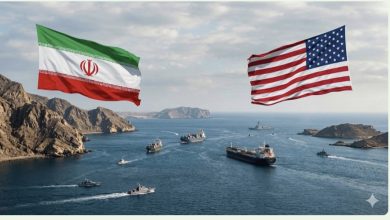
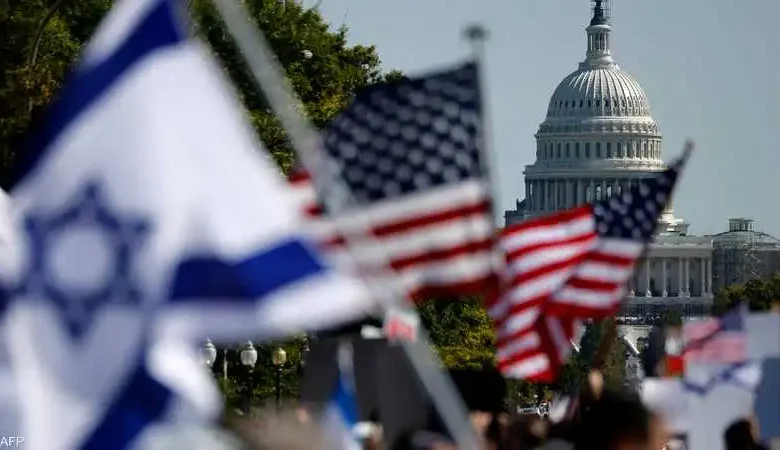
A Hebrew military analysis has revealed growing concern within the Israeli establishment over the possibility of a deal between the United States and Iran, amid estimates that such an agreement could leave “Israel” facing Iran’s military capabilities directly without sufficient international backing.
Alon Ben David, the military commentator for Maariv, explained that the course of the ongoing negotiations reflects a mutual desire between Washington and Tehran to reach a settlement. However, the current balance of power tilts in Iran’s favor, coupled with an American urgency to end the conflict—potentially resulting in an agreement that does not meet even the minimum declared war objectives.
Retreat of Strategic Goals
The analysis noted that the main objectives pursued by the United States and “Israel”—namely weakening the Iranian regime or creating conditions for its change—are no longer realistically on the table. It emphasized that Tehran has emerged from the confrontation more cohesive both domestically and internationally, benefiting from its engagement in direct negotiations.
Nuclear Program: An Ongoing Threat
Regarding the nuclear file, Ben David confirmed that the strikes targeting Iran’s program have not reached the point of crippling it. Tehran still retains a stockpile of enriched uranium, keeping it within the classification of a “threshold nuclear state,” especially in the absence of strict mechanisms in any forthcoming agreement to limit or dismantle these capabilities.
Missiles Left Out of the Equation
The analysis pointed out that Iran’s missile program has not been significantly affected, warning that ignoring this issue in any future settlement would leave the threat intact. This could impose a more complex security reality on “Israel,” particularly if direct American commitment declines.
Growing Regional Influence
On the regional level, the report indicated that Iran’s influence has not diminished; rather, it could further expand if sanctions are lifted. This would provide Tehran with additional financial resources to quickly rebuild its capabilities, as well as to expand its role in strategic corridors such as the Strait of Hormuz—granting it increasing economic and geopolitical weight.
Reshaping the Balance of Power
The analysis concluded that the contours of a potential agreement between Washington and Tehran may reshape the regional balance of power in ways that do not serve “Israel’s” interests. Instead, it could leave it facing mounting security challenges, particularly amid the possibility of reduced direct U.S. support and being left alone to confront Iranian threats.