Sana’a Prepares for a Second Phase of Escalation: Opening Border Fronts and Placing the Saudi Depth Under Pressure
Lebanese newspaper Al-Akhbar reports on new military options available to Sana'a, including expanding the confrontation to the Kingdom's southern border and raising the ceiling of demands for halting escalation.
NYN | Reports and Analyses
Lebanese newspaper Al-Akhbar, citing informed sources, revealed that Sana’a is preparing to move to what it described as a “second phase” of escalation against Saudi Arabia, amid ongoing military mobilizations and an increased ceiling of demands linked to halting operations.
According to the newspaper, this development follows the consolidation of three military equations that Yemeni forces reportedly established over recent weeks—ranging from applying pressure on shipping linked to Saudi Arabia and targeting military troop concentrations to directly responding to what Sana’a considers violations of its airspace by targeting strategic sites deep inside Saudi territory.
Three Equations Facing Saudi Arabia
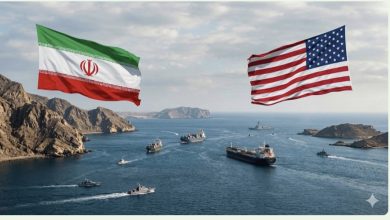
Al-Akhbar explained that the first equation centers on “siege for siege,” through pressure on Saudi maritime navigation across a scope extending from the southern Red Sea to its north, passing through the Gulf of Aden and the Arabian Sea.
The second equation involves targeting Saudi mobilization centers, according to sources cited by the newspaper, while the third equation focuses on “deterrence and direct response,” by tying any aerial escalation against Yemen to retaliatory strikes targeting strategic facilities and sites deep inside Saudi Arabia.
Raising the Ceiling of Demands to Halt Escalation
Coinciding with reports of transitioning to a new phase, the newspaper notes that Sana’a has raised the ceiling of its demands in exchange for ceasing operations against Saudi Arabia.
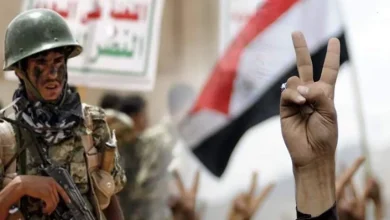
Al-Akhbar quoted Brigadier General Yahya Saree as stating that halting the escalation is contingent upon ending what Sana’a describes as Saudi aggression against Yemen, the departure of foreign forces, stopping the funding of military formations loyal to Riyadh, and enabling the Yemeni people to benefit from their natural resources.
The paper also recalled the demands put forward by Sana’a at the onset of the maritime escalation—chiefly implementing what was agreed upon within the UN “roadmap,” including lifting restrictions on ports and airports, paying public sector salaries based on the 2014 payrolls, resolving the prisoners and detainees file, and reopening roads between governorates.
Military Options Yet to Be Used
The newspaper suggests that the nature of these new demands may reflect Sana’a’s readiness to broaden the scope of its operations, citing observer estimates in Sana’a stating that Yemeni forces possess military options that were not brought into play during the first phase.
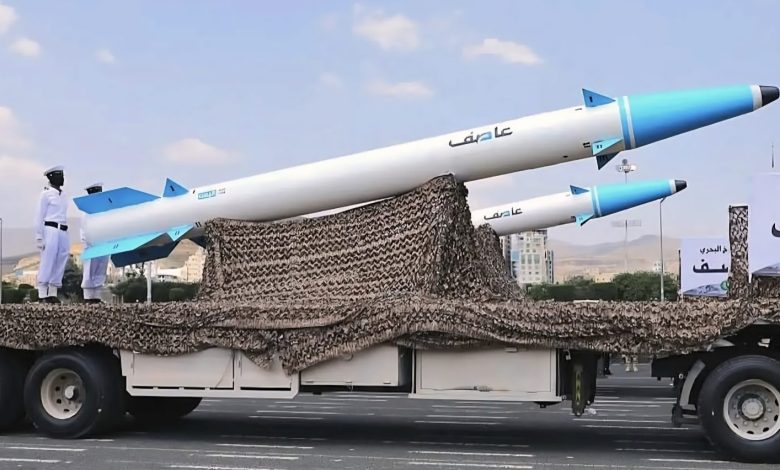
Military sources cited by Al-Akhbar indicated that the upcoming phase could be “far more painful” for Saudi Arabia, with the possibility of the confrontation shifting to the Kingdom’s southern borders and opening land fronts along the border strip.
Saudi Mobilizations Heighten Escalation Risks
According to the newspaper, this comes amid reports of Saudi military build-ups on the West Coast, as well as in the Marib and Al-Jawf governorates, raising concerns over an expanding theater of operations.
In response, calls are mounting within Sana’a to address these build-ups by opening fronts along Saudi Arabia’s southern border, a move that could push the conflict to a new level if military maneuvers and mutual escalation continue.
Al-Akhbar thus outlines an escalation scenario based on shifting the conflict from maritime pressure and limited retaliatory actions to geographically broadening operations, with any path toward de-escalation remaining bound to how fully Sana’a’s demands are met.