The Wall Street Journal: Oman is Trump’s Latest “Scapegoat” for Failures in Confronting Iran
Hormuz Tests the Power-and-Negotiation Equation... Washington Searches for a Way Out of Its Teheran Dilemma
NYN | Reports and Analyses
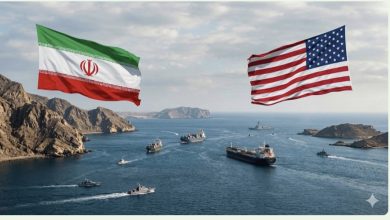
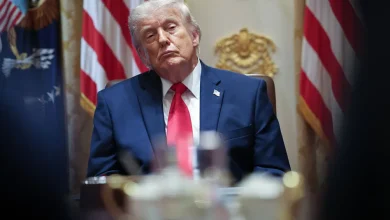
The Wall Street Journal reported that the Sultanate of Oman has become the latest party President Donald Trump’s administration is attempting to blame for consecutive failures in dealing with Iran, amid the ongoing complexities surrounding the Strait of Hormuz.
The newspaper noted that developments around the strait highlight the difficulty of imposing the U.S. vision on Tehran, at a time when Iran is attempting to establish an equation based on power, status quo, and negotiation—thereby strengthening its ability to influence international maritime traffic through one of the world’s most vital waterways.
Hormuz Exposes the Limits of U.S. Pressure
This comes as Trump continues efforts to use the Strait of Hormuz issue as a strategic leverage point, while Washington faces challenges in converting its political threats and stances into actionable steps capable of enforcing its balance on the ground.
Developments indicate that Iran’s capacity to affect navigation through the strait has become a primary factor in the calculations of the United States and its allies, driving a push toward negotiating channels alongside military options and political pressure.
Europe Refuses Military Involvement
Oman was not the only party Trump sought to blame for stalled U.S. moves against Iran; the U.S. President had previously requested military support from European allies to assist in opening the Strait of Hormuz.
According to the newspaper, these demands were met with refusal from European allies, prompting Trump to issue sharp criticisms, accuse them of cowardice, and exert political pressure on them—a move reflecting the extent of divisions within the Western camp over how to manage the strait crisis.
An Iranian Equation Upsets U.S. Calculations
These developments present the Trump administration with a difficult test, as Tehran appears capable of leveraging its geographic position and military capabilities while simultaneously keeping the door to negotiation open, granting it broader maneuverability against U.S. pressure.
Conversely, the crisis reveals that any attempt to reopen the strait by force could trigger widespread regional and international fallout, keeping the negotiation option firmly present in Washington’s calculations despite continued escalatory rhetoric and pressure.
According to the newspaper’s analysis, these factors reflect that the battle over the Strait of Hormuz is not merely about navigation, but has become a direct test of the United States’ ability to project its will against Iran amid clear divergence between Washington and its allies on how to handle the crisis.