The Washington Post: Yemen Holds Strong Leverage Against Saudi Arabia as the Red Sea Turns into a Sphere of Influence
US Newspaper: Threats to Navigation and Rerouting Oil Tankers Place Riyadh Before a Complex Equation... Researchers Confirm Sanaa Possesses Pressure Tools Beyond Conventional Military Power

NYN | Reports and analyses
The Washington Post highlighted what it described as the leverage Yemen holds against Saudi Arabia, noting that developments in the Red Sea maritime confrontation have forced Riyadh to deal with a new equation that cannot be resolved through conventional military means alone.
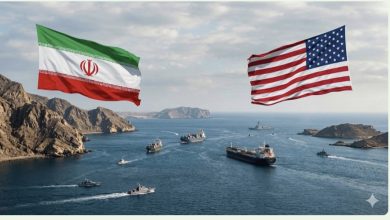
The newspaper pointed out that naval operations, missile strikes, and drone attacks, combined with Yemen’s geographic position, have given Sanaa an increasing ability to influence maritime traffic and energy flows, prompting Saudi oil tankers to reconsider some of their sea routes.
Yanbu Enters the Pressure Zone on Saudi Oil Exports
According to the report, the pressure is no longer limited to Red Sea shipping lanes; it has extended to infrastructure tied to Saudi oil exports, chief among them the port of Yanbu on the Red Sea coast.
The newspaper highlighted the strategic importance of the oil pipelines connecting production areas in eastern Saudi Arabia to Yanbu, noting that Riyadh relies heavily on this alternative route to export oil away from the Strait of Hormuz.
The Washington Post considers that any threat to this pipeline route adds new pressure on Saudi energy security and narrows the options available to Riyadh in countering maritime threats.
Sanaa Tests Riyadh’s Readiness to Make Concessions
The report stated that Yemenis recognize the leverage currently at their disposal and are testing Saudi Arabia’s willingness to make concessions that could contribute to ending the blockade imposed on Yemen.
The newspaper quoted researcher Elisabeth Kendall (Le April Longley Alley) noting that the Yemenis see themselves as holding “strong cards” in the confrontation, driving them to utilize available leverage to push Riyadh toward political options rather than relying solely on a military outcome.
Gregory Johnsen: Yemenis Are a Partner to Iran, Not Its Proxies
In the same context, The Washington Post quoted researcher Gregory Johnsen stating that the relationship between Yemen and Iran cannot be reduced to total subordination, emphasizing that the Yemenis represent a “partner to Iran, not a proxy.”
Johnsen highlighted the military capabilities, local manufacturing expertise, leadership structures, political relations, and capacity to conduct direct negotiations with regional and international actors that Yemeni forces have accumulated.
The Red Sea Becomes a Yemeni Position of Strength
According to the newspaper, these elements of power are not limited to the size of the military arsenal; Yemen’s geographical location along one of the world’s most vital maritime chokepoints serves as a strategic factor that gives Sanaa the ability to influence international trade and energy movements.
The Washington Post observes that combining missiles and drones with maritime geography has created a distinct model of naval power—one that does not require a large conventional war fleet to exert influence over maritime traffic.
Saudi Arabia Moves on Two Tracks
The newspaper indicated that Saudi Arabia is addressing these challenges through two parallel tracks: the first involves bolstering troop deployments and preparing for a potential ground military option, while the second focuses on seeking multilateral naval arrangements to protect shipping lanes and oil transport.
According to the report, these moves reflect the significant importance the Red Sea has gained in both Saudi and U.S. calculations, given the difficulty of protecting oil and maritime interests through traditional means alone.
Sanaa Forces the Red Sea onto the Riyadh and Washington Agenda
The Washington Post concluded that the Red Sea has become a primary arena for testing influence and the capacity to project regional equations. Recent developments demonstrate the ability of Yemenis to leverage geographical position, missiles, and drones into bargaining chips with impact extending far beyond local confrontation.
As a result, Riyadh and Washington face a far more complex equation, where dealing with Sanaa is no longer confined to military considerations, but is now directly tied to energy security, international trade flows, and the future of navigation in the Red Sea.