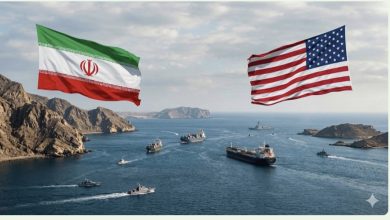
Title: Reuters: US Fears Hormuz Turning into a ‘Second Crisis’ and Escalation Spilling Over into Yemen
Navigation disruptions drive global fuel prices up, as Tehran links reopening the Strait of Hormuz to a shift in Washington’s stance amid Western fears of a widening regional war.
NYN | Reports and Analyses
Reuters suggested that the war between the United States and Iran is likely entering a new phase of escalation, given the continued stalemate in diplomatic efforts and no clear signs of an impending agreement to end the confrontation. This comes as the shipping crisis in the Strait of Hormuz persists, raising concerns that the conflict could spill over into other regional fronts, including Yemen.
Tehran Links Hormuz Reopening to Shift in US Stance
The agency reported that Iran conditions the reopening of the Strait of Hormuz on Washington backing down from its current positions. Meanwhile, Tehran remains hesitant to resume negotiations, accusing the US of reneging on previous understandings.
These developments unfold amid ongoing mutual economic and military threats between the two sides, while the global economy faces direct impacts from disrupted navigation through one of the world’s most vital energy transit routes.
Trump Calls on Americans to Endure Rising Fuel Prices
Reuters noted that the fallout from the Hormuz crisis has hit energy markets, driving up US fuel prices and prompting US President Donald Trump to call on Americans to bear higher costs while the crisis continues.
According to data cited by the agency, US gasoline prices have surged by approximately 29% compared to last year, alongside gains in crude oil futures.
Sharp Decline in Ship Traffic Through the Strait
Maritime traffic data reveals the severity of the disruption in the Strait of Hormuz; on one day, only two vessels transited without crude oil cargoes, compared to over 130 ships daily prior to the outbreak of the war.
This sharp decline fuels widespread anxiety regarding global energy supplies, given international markets’ heavy reliance on oil and gas flows through the region.
Naval Attacks Heighten Fears of Expanding War
In the same context, Reuters cited Western concerns over a broader regional confrontation following attacks on vessels linked to ADNOC in the Strait of Hormuz, alongside reports of a cargo ship being hit by an unidentified projectile.
These incidents amplify fears that critical maritime routes could become additional battlegrounds, worsening pressures on global trade and energy markets.
Yemen at the Center of Conflict Expansion Concerns
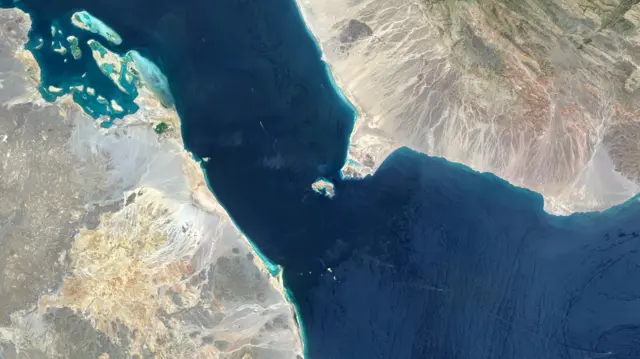
In the Red Sea, the agency pointed to an escalation in operations attributed to Sana’a forces, targeting military vessels, Saudi troop concentrations, and storage sites in the Al-Mocha region. This reinforces Western concerns that the war’s fallout could spread to Yemen and widen the conflict across the region.
Observers believe that prolonged navigation disruptions in both the Strait of Hormuz and the Red Sea could open the door to a broader crisis across trade and energy routes, particularly if escalation in both waterways coincides with the ongoing US-Iranian standoff and stalled negotiations.
A Crisis Beyond Hormuz
Amid persistent uncertainty, Western fears center on the possibility of the Strait of Hormuz crisis morphing into a template for a wider maritime emergency—one that extends into the Red Sea and the Bab al-Mandab Strait, threatening global energy and trade supply chains while driving up the economic toll of the war.
The potential to contain the escalation hinges on whether Washington and Tehran can return to the negotiating table, even as Iran holds firm on its terms for Hormuz transit and the US faces mounting domestic pressure from surging energy prices.