US Report Reveals: Saudi Arabia Considers Multi-Front War Against Yemen… And This Is the Most Likely Scenario
An American report reveals the outlines of new Saudi military moves, including a limited ground offensive supported by air and intelligence assets, amid experts' skepticism regarding the ability of pro-Riyadh forces to achieve their objectives
NYN | Reports and Analyses
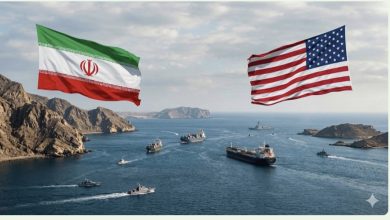
A report published by the US-based news outlet The Media Line revealed that Saudi Arabia is seriously considering new military options against Yemen, amid escalating tensions in the Red Sea and the continuation of military operations related to regional navigation.
According to the report, the primary goal of any potential military action would be an attempt to push the forces of the Sana’a government to halt their military operations tied to the blockade imposed on Saudi shipping, amidst indicators of troop redeployments and field preparations across multiple fronts.
Field Movements and Plans for a Limited Attack
The report pointed to growing information regarding Saudi military movements in eastern Yemen, alongside discussions concerning a potential operation in Al Bayda Governorate, as well as efforts to form a multinational naval coalition to protect navigation in the Red Sea.
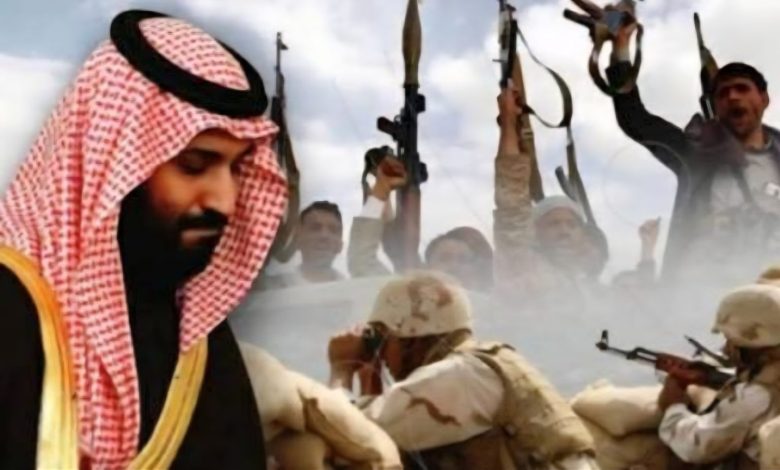
The website quoted geopolitical analyst Cyril Widdershoven, Senior Advisor at Blue Water Reporting/Strategy, as stating that current indicators point to Riyadh’s readiness for military options that could include a limited ground campaign executed by Yemeni forces loyal to Saudi Arabia, accompanied by Saudi aerial, intelligence, and logistical support.
He clarified that current movements appear closer to contingency planning and force redeployments rather than indicating a full-scale ground invasion.
The Most Likely Scenario
The report suggested that Saudi Arabia is likely to avoid repeating the scenario of the broad military intervention launched in 2015, owing to the complexities of Yemen’s geography and the accumulated combat experience of the Sana’a government forces.
According to Widdershoven, the most probable scenario consists of a military operation led by pro-Riyadh forces, while Saudi Arabia provides air cover, intelligence, artillery, engineering, air defense, and logistical support—alongside the possible limited participation of Saudi elements in command and special forces roles.
He added that prospective operations might launch from the Marib front or along the western coast from the Al-Mukha and Al-Khawkha areas toward Hodeidah, in an effort to restrict Sana’a government forces’ access to strategic ports.
Targeting Military Capabilities Prior to Any Ground Advance
The report explained that any potential operation would be preceded by an intensive air campaign targeting missile launch sites, weapon depots, command and control centers, and coastal military positions, coinciding with tightened naval measures to safeguard shipping.
However, the report emphasized that such measures do not guarantee an end to the military capabilities of the Sana’a government forces or a halt to their operations.
Skeptical Views on Pro-Riyadh Forces’ Capabilities
Conversely, the report quoted Abdulghani Al-Iryani, Senior Researcher at the Sana’a Center for Strategic Studies, expressing skepticism regarding the capability of pro-Saudi forces to execute a broad offensive, arguing that current talk of a major military operation lacks sufficient field indicators.
Al-Iryani noted that Saudi Arabia and its allies currently lack the necessary assets to carry out a major ground offensive capable of altering the balance of power on the ground.
US Constraints and Likelihood of Returning to Negotiations
The report highlighted that the United States is also confronting military and political challenges, noting that American airstrikes have failed to achieve their objective of weakening the Sana’a government forces. Meanwhile, domestic political considerations—with approaching US electoral commitments—exert pressure that could lead Washington to prefer returning to the negotiating track over military escalation.