Wall Street Journal: Omani and Egyptian Mediation Stalls as Saudi Arabia Faces Mounting Pressure Over Oil Export Disruptions
The American newspaper: Rerouting oil tankers and rising shipping costs heighten pressure on the Kingdom amid fears of a global oil price spike.
NYN | Reports and Analyses
International reports indicate rising challenges for Saudi Arabia in its oil export sector as Red Sea shipping disruptions persist. Meanwhile, The Wall Street Journal revealed that mediation efforts led by the Sultanate of Oman and Egypt to contain the crisis and reach understandings to ease tensions have stalled.
Shipping Disruptions Strain Saudi Oil Exports
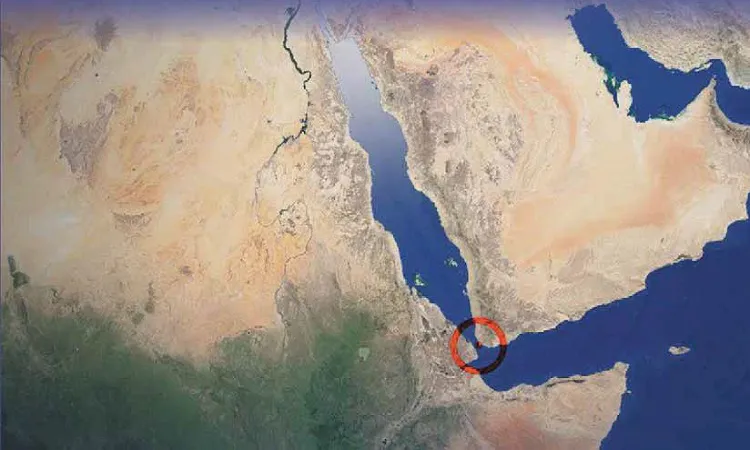
Citing sources described as informed, the newspaper reported that attacks targeting Saudi-linked shipping have increased pressure on oil export traffic, prompting several crude tankers to alter their courses before reaching the Bab al-Mandab Strait.
According to the report, at least four Saudi oil tankers changed course and headed north, while the Kingdom works to increase the volume of oil offered for loading via Egyptian ports on the Mediterranean in an effort to maintain export flows.
Stalled Omani and Egyptian Mediation
The newspaper confirmed that mediation attempts by Oman and Egypt to persuade Saudi Arabia to lift its blockade on Yemen have failed to achieve progress so far, amid ongoing regional tensions and a increasingly complex political and military landscape.
It added that Iranian officials warned that the scope of targeting maritime traffic in the Red Sea could expand if the region sees new military escalation, raising growing concerns across global energy markets.
Alternative Routes Drive Up Costs and Extend Transit Times
The report explained that Saudi Arabia’s reliance on alternative routes via the Suez Canal and the Cape of Good Hope imposes heavy logistical and economic burdens, extending maritime voyage times by about 20 to 30 days, in addition to inflating transport and insurance costs and delaying deliveries.
It also noted that technical restrictions on Very Large Crude Carriers (VLCCs) transiting the Suez Canal require offloading or transferring part of the cargo to smaller tankers in some cases, further complicating shipping operations.
Increased Reliance on the East-West Pipeline
According to the journal, since the outbreak of the war on Iran, Saudi Arabia has boosted the volume of oil transported via its East-West Pipeline to nearly 4.9 million barrels per day, compared to a previous average ranging between 700,000 and 1 million barrels per day.
It added that roughly 3.5 million barrels per day of these volumes used to pass through the Bab al-Mandab Strait, making any disruption to this route a major factor impacting global energy supplies, alongside warnings that oil prices could surpass the $100 per barrel mark if the current crisis continues.