We Never Expected This”: Israel Admits Shock Over Iran’s Response and Fears the Implications of the Yemen Front
Israel acknowledges the failure of its intelligence assessments following Iran’s direct response and fears escalation involving Yemen and the closure of the Bab al-Mandab Strait
NYN | Reports and Analyses
The Hebrew newspaper Israel Hayom has revealed growing concern within Israeli political and military circles following Iran’s success in establishing what the newspaper described as a new deterrence equation, one that represents a strategic shift limiting Israel’s military freedom of action in the region.
In a report prepared by several senior military analysts, the newspaper stated that Tehran had succeeded in imposing a new operational equation whereby any Israeli attack or airstrike targeting the Lebanese capital, Beirut, would be met with a direct Iranian missile response against targets deep inside Israel. According to the report, this constitutes an unprecedented challenge to Israel’s long-standing strategy of separating the various arenas of confrontation.
Admission of Intelligence Miscalculations
The newspaper quoted senior Israeli security sources as acknowledging errors in the intelligence assessments that preceded the recent attack on Beirut’s southern suburbs. The sources admitted that official evaluations had almost entirely ruled out the possibility that Iran would respond directly using its missile arsenal.
According to the sources, the Israeli leadership approved the strike based on the belief that any potential response would remain within traditional and indirect frameworks. However, subsequent developments unfolded in a manner that contradicted those expectations.
Shock Within Israel’s Security Establishment
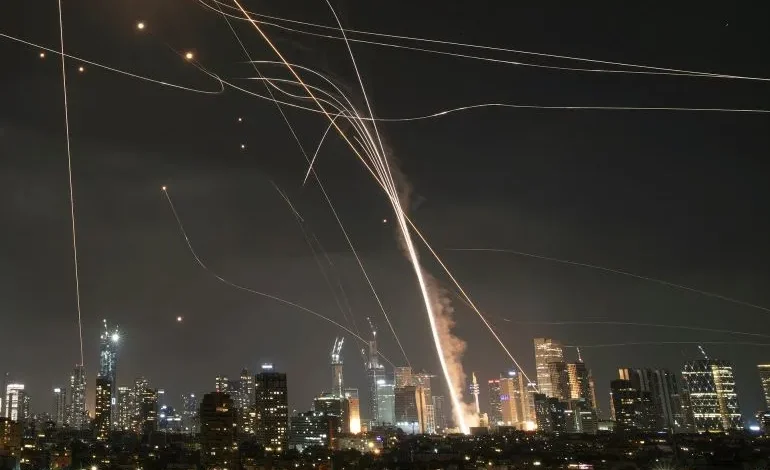
Israeli political and military circles reportedly acknowledged the scale of the surprise caused by Iran’s response, noting that the launch of ballistic missiles toward Israeli cities forced millions of settlers to seek shelter across a broad area stretching from Tel Aviv to Jerusalem and Beersheba.
Those circles argued that the events exposed the limitations of Israel’s policy of “deterrence and denial,” which it had relied upon in recent years, while also demonstrating the level of preparedness and response capability possessed by the Resistance Axis in the region.
Yemen Adds New Pressure on Netanyahu’s Government
These developments coincided with Sana’a forces’ announcement that they had begun implementing a ban on Israeli maritime navigation in the Red Sea and closing the Bab al-Mandab Strait to vessels linked to Israel, alongside the continuation of missile attacks toward the occupied Palestinian territories.
Israeli circles reportedly believe that Yemen’s involvement in the confrontation adds a new strategic dimension to the crisis and increases the pressure facing the government of Benjamin Netanyahu, particularly amid the multiplicity of fronts and the continuation of military attrition without clear indications of a decisive outcome in the near future.
Fears of a More Complex Phase
According to the Hebrew report, the latest developments reflect a shift in the regional rules of engagement and have heightened concerns within Israel regarding the potential expansion of the confrontation and the growing security challenges it faces.
The report concludes that Israel’s military establishment is under increasing pressure on multiple fronts simultaneously, raising fears that the region may be entering a more complicated and volatile phase.