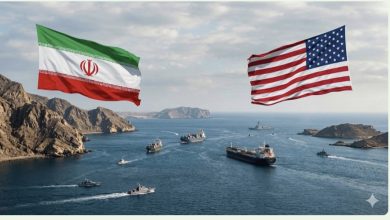
U.S. Poll: Widespread Rejection of Escalating War with Iran and Record Drop in Trump’s Popularity
Majority of Americans oppose any new military intervention, while growing concern over the economy and war costs pressures the White House
NYN | Reports and Analyses
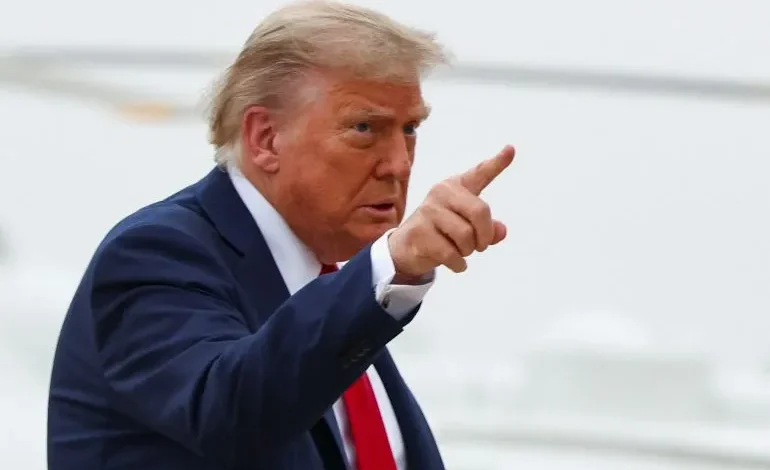
A recent public opinion poll in the United States has revealed rising popular opposition to any military escalation against Iran, alongside a sharp decline in the approval ratings of U.S. President Donald Trump to their lowest levels since the start of his second term.
Unprecedented Decline in Trump’s Popularity
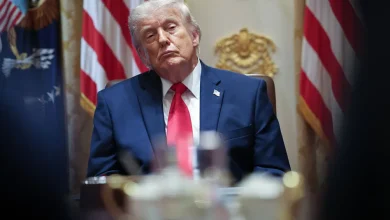
According to the poll conducted by Decision Desk HQ, affiliated with NBC News, in collaboration with SurveyMonkey, 63% of Americans disapprove of Trump’s performance, while only 37% support him—an indication of a significant erosion in public backing.
The survey also showed that about two-thirds of respondents are dissatisfied with the president’s handling of inflation and the military escalation with Iran, reinforcing perceptions of declining confidence in the current administration.
Widespread Pessimism About the Country’s Future
The results indicated that pessimism dominates public sentiment, with two-thirds of Americans believing the country is heading in the wrong direction, compared to only one-third who think it is on the right track—highlighting growing public concern over overall conditions.
Public Opposition to Expanding War with Iran
On foreign policy, the poll demonstrated broad opposition to any additional military intervention against Iran, with 61% of respondents emphasizing the need to avoid further escalation.
In contrast, only 23% supported considering all options, including ground intervention, while 16% favored continuing airstrikes without expanding military operations.
Youth Lead Opposition to War
The survey recorded particularly high levels of opposition among younger Americans, with 74% of those under the age of 30 expressing opposition to any further military actions against Iran—reflecting a shift in attitudes among younger generations toward foreign wars.
Mounting Political Pressure Ahead of Elections
These findings come at a time when the Republican Party faces increasing challenges ahead of the midterm elections, amid rising public dissatisfaction with economic performance and foreign policy.
They also cast a shadow over the future of the Trump administration, especially as pressures persist from rising living costs and the consequences of involvement in external conflicts—despite previous campaign promises to reduce inflation and avoid wars.